What an amazing trip we had to southern Croatia (with forays into Montenegro and Bosnia-Herzegovina too)! Sun, gorgeous nature, historical cities, and delicious food and wine…what can be better? I had heard that Dubrovnik and the surrounding coast and islands were simply beautiful, and our expectations were definitely met and exceeded. Think coastline of Hawaii meets the red-roofed architecture of Tuscany — it’s a heavenly site!
For some reason, Jeff and I had long wanted to visit Croatia, but until we started planning the trip, we had no idea how large and spread out the country is! The south (the Dalmatian coast) is very Mediterranean feeling — pristine, turquoise water and beaches, and a relaxed life-style. The north, bordering Italy, has a very Italian feel (from what we heard…we didn’t make it up north), and then as you go inland it supposedly feels more Austrian/Eastern European (again, didn’t make it to the inland parts). So, needless to say, it felt a bit overwhelming at first trying to decide how much of “Croatia” to take on, but we ultimately settled on the south because we heard Dubrovnik and surrounding islands were not to be missed!
Dubrovnik — known as the “Pearl of the Adriatic” and a UNESCO world heritage site — has had a long history of being conquered and ruled by various states and empires: Venice, the Ottomans, Austro-Hungarians, and most recently as part of Yugoslavia. It did rule itself as a free state from the 1400s-1800s, but it was still a vassal of the Ottoman Empire during that time. Still, its location on the Adriatic Sea made it an important trading and shipping post, and so it flourished financially and culturally, and was able to pretty much rule itself. The fortified walls around the city (which are its most famous tourist site) speak to its history of needing to defend itself against invaders from the sea. Today, climbing and walking along the city walls is the “must-do” in Dubrovnik, offering amazing views of the city rooftops and out over the blue water and islands.
On our first full day, we took the bus to the Old City (most people stay outside the Old City…we stayed in an apartment about a 10 minute bus ride away in a nice leafy residential neighborhood with lots of cafes). We loaded Rafi onto Jeff’s back in the carrier and started on our walk of Dubrovnik’s walls. From the walls, you see amazing views — little courtyards and gardens down in the city, kayakers and yachts coming in and out of the harbor, and the red tiled roofs. We learned that during the recent war in the Balkans, Dubrovnik suffered a lot of shelling and a lot of the rooftops were destroyed. The tiles were replaced, but the new ones are noticeably brighter in color…maybe you can see in some of the pictures. Isaac did a great job with the wall walk — it was a good length walk for a little guy, especially in the heat, but we took lots of breaks for photos, water, and fresh-squeezed juice (there are a few little cafes and shops along the walls). At one point, there was a guard-tower that Isaac had fun pretending was a jail, so we played there for awhile. For a four and a half year old, it’s the little things 🙂
The other cool thing we saw in Dubrovnik was the old synagogue. It is said to be the oldest Sephardic synagogue still in use in Europe today, and the second oldest synagogue in Europe. When the Jews were expelled from Spain in the 1400s, a number of them ended up in the Balkan region. The Dubrovnik synagogue has a small museum on the first floor with some old Torahs brought over from Spain, so that was interesting to see! I suppose since so many of the places to see and visit in Europe are churches or cathedrals (which are beautiful and which I can admire visually, but which I don’t feel a personal spiritual connection to), there was something even more special and rare about seeing a synagogue and feeling a sense of connection with my identity. The current Jewish population in Dubrovnik is only around 45 people (according to the man running the synagogue museum), so he said they get together maybe once a year — not a very thriving community today, but still cool and interesting to see the historical building and even a small Jewish presence.
So I’d say the highlights of Dubrovnik for us were: walking the walls, the gorgeous views, seeing the synagogue, discovering little outdoor cafes, and hanging out on the terrace of our hotel for meals and playing. Here are some photos to peruse — enjoy!
Next up…our day trip into Montenegro.
-

- Our first view of Croatia from the plane
-

- Isaac working on Legos…a big activity on this vacation
-

- Rafi rocking the diaper and sneakers style
-
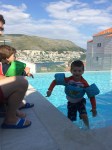
- Our hotel in Dubrovnik had a rooftop pool, but unfortunately it was freezing so we only stayed in for a few minutes
-

- Sooo cold in the pool
-

- Dining outside on our first night. The food throughout the trip was all delicious
-

- Walking the alleyways of the neighborhood where our hotel was
-

- An area of cafes near our hotel
-

- Breakfast at an outdoor cafe near our hotel
-

- Rafi outside the Old City of Dubrovnik
-

- Rafi in action
-
- Rafi
-
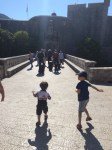
- Isaac and Rafi walking into the Old City
-

- View of the walls from outside the city
-

- Crossing the drawbridge into the Old City
-

- On top of Dubrovnik’s walls
-

- Preparing for our walk of the walls
-

- A view down onto the main thoroughfare in the Old City
-
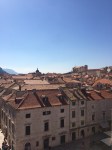
- Red rooftops
-

- Walking the walls
-

- A view into the gorgeous blue water from the city walls
-

- Isaac taking in the view
-
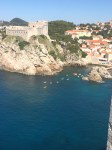
- Colorful kayaks
-
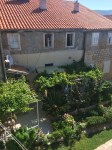
- Looking down on cute gardens from the city walls
-

- “Let me out!”
-

- Locked in “jail”
-

- Isaac’s highlight of the walls…playing “jail”
-
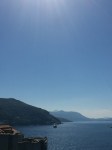
- View of the coast
-
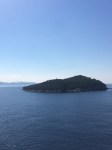
- The island of Lokrum, just a 10 minute boat ride from Dubrovnik, where locals (and tourists) go to relax
-
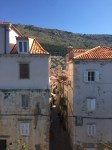
- Alleyways of the Old City
-
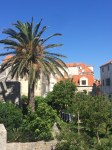
- Palm trees and red roofs
-

- A boat and the island of Lokrum
-

- Hard to see, but an old lady hanging laundry out her window
-

- Stopping for delicious fresh squeezed juice along the walls
-
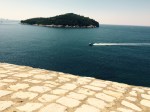
- Another boat out to sea
-
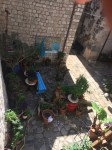
- Cute garden
-
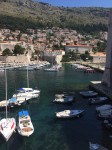
- The main Dubrovnik harbor
-
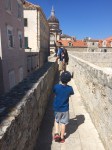
- Walking along the walls
-
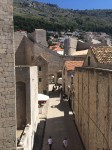
- View down into the town
-

- Harbor
-
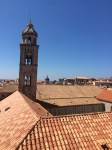
- Red roofs
-

- View of the rooftops
-

- Jeff and Ilana on the walls
-

- Beautiful
-
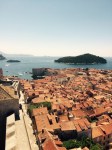
- Dubrovnik, with Lokrum island in the background
-

- Dubrovnik
-
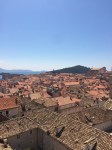
- The older looking tiles are from before the last war…the brighter colored ones are replacements of ones destroyed in the war during the 1990s
-

- Rafi in a Dubrovnik courtyard
-

- Happy Rafi
-
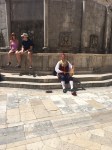
- A traditional Balkan musician
-
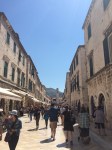
- The main drag of Dubrovnik
-
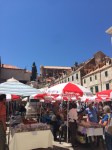
- A market in Dubrovnik
-

- Isaac and daddy hugs
-
- Dubrovnik stairs
-

- “Ima and Aba” (mom and dad in Hebrew)…random
-

- The Dubrovnik syngagogue
-
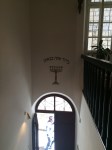
- “Blessed are your goings”
-

- Old Jewish objects
-

- Old Torah
-
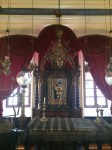
- Inside the synagogue
-

- Synagogue
-

- “Blessed are your comings”
-
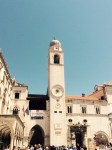
- Clock tower in Dubrovnik
-
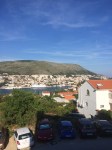
- The view from our apartment/hotel
-
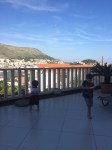
- Hanging out on the massive terrace of our hotel room (this was all ours)
-

- The boys playing outside
-

- Eating breakfast on our terrace
-

- Legos 🙂
-

- Legos
-

- Moon over Dubrovnik
 dublingers